
Learning about how orthotics can keep your feet healthy
A common cause of foot pain, bad posture, and joint pain is misaligned feet. That’s when a foot orthotic can really help. Orthotics are carefully made inserts that go inside your shoes to support your feet, fix misalignment, and ease stress on your lower body. Orthotics can help you move more comfortably and confidently, whether you’re an athlete, a store worker, or someone who spends a lot of time on their feet. Orthotics aren’t just for persons who have hurt their feet; they can help anyone who is in pain in their feet, knees, hips, or even lower back. They assist minimise strain and promote natural movement patterns by shifting pressure and enhancing posture. With the correct orthotic support, you can better manage a number of ailments, such as plantar fasciitis, flat feet, bunions, heel spurs, and arthritis.
Custom orthotics are made by podiatrists or other foot health professionals to fit the specific shape and structure of your feet. This makes sure that they fit perfectly and provide the right support. They don’t take up much room in your shoes, but they can make a major difference in your quality of life.
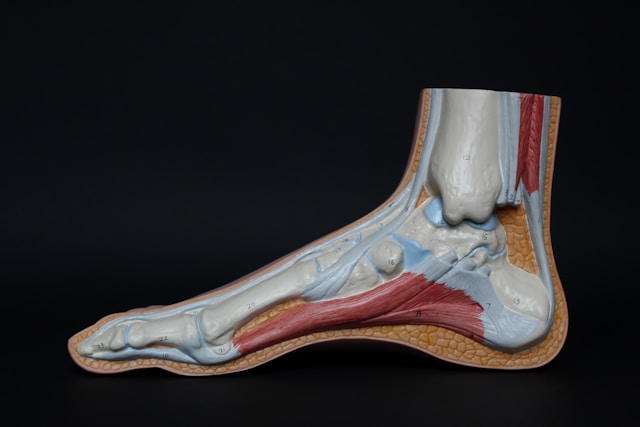
Different Types of Foot Orthotics and How They Work
There are two primary types of foot orthotic: custom-made and ready-made. A careful look at your foot structure, gait, and pressure spots is used to make custom orthotics. A medical exam, a gait analysis, and occasionally even a 3D foot scan are all parts of these tests. The orthotic that comes out of this process is made to fix certain problems and give support exactly where it is needed. People with mild or general foot pain can still get good relief with off-the-shelf orthotics, even though they aren’t made just for them. These pre-made devices come in different sizes and arch types, and they can be a wonderful place to start for someone who is considering orthotics for the first time.
Depending on what you require, orthotics can be made for different kinds of shoes, like casual shoes, sporting shoes, work boots, or even high heels. People who do high-impact sports, like running and basketball, really like sports orthotics. These inserts assist lower the chance of injury, improve balance, and absorb shock. Stretching, strengthening exercises, shoe recommendations, and even physiotherapy can all be part of a bigger treatment plan that includes orthotics. When used appropriately, they not only help with symptoms but also get to the base of the problem, which is good for the long-term health of your feet and joints.
More than only foot benefits
Wearing a foot orthotic has many benefits that go beyond the soles of your feet. Many people say that their posture has gotten better, their joint pain has gone down, and they can move more easily. Properly aligning your feet changes how you stand, walk, and move, which improves your entire biomechanics. Orthotics can help those who have jobs that need them to stand for lengthy periods of time, including healthcare professionals, teachers, or craftsmen, by making them less tired and more able to work longer. They can assist older people stay balanced and stable, which lowers the chance of falling.
Kids and teens can also benefit from orthotics, especially if they have problems like flat feet, overpronation, or developing pains. Early usage of orthotics helps fix foot abnormalities that are developing before they cause difficulties later in life. Also, persons with diabetes are typically given orthotics to protect their feet against pressure sores, ulcers, or nerve damage. Diabetic orthotics that are made just for them provide cushioning and reduce friction in sensitive regions, giving them both comfort and protection.
Getting the Right Orthotic Fit
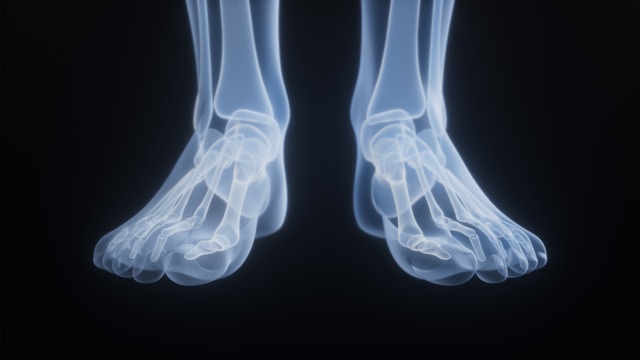
If you’re thinking about getting a foot orthotic, the first thing you should do is see a podiatrist or foot specialist. A professional evaluation makes sure you get the proper kind of orthotic for your specific needs, whether they be for everyday activities, sports performance, or medical concerns. Most podiatrists in Australia collaborate with labs in their area to make bespoke orthotics out of high-quality materials that are light, strong, and breathable. Custom devices cost more than over-the-counter ones, but the long-term benefits they offer, especially in terms of pain treatment and injury prevention, typically make up for the extra money.
After you have your orthotics, you may need to see your doctor regularly to make sure they are working properly. Your orthotics may need to be changed or fixed if your body changes over time or if you switch types of shoes. It is easy to take care of your orthotics. Just keep them dry, clean them often, and get new ones when they start to wear out. If you utilise and care for them correctly, they can give you years of support, comfort, and protection.
